The United Arab Emirates (UAE) continues its rapid economic expansion, urbanization, and technological scaling—fueled by a growing population and energy-intensive sectors like data centers and advanced desalination—reliable electricity is more vital than ever. While the nation makes historic strides toward a diversified clean energy portfolio, natural gas remains the steadfast backbone of the UAE’s power generation landscape, supplying a substantial portion of the country’s electricity mix.
The Anchor of the Grid: Current Market Dynamics
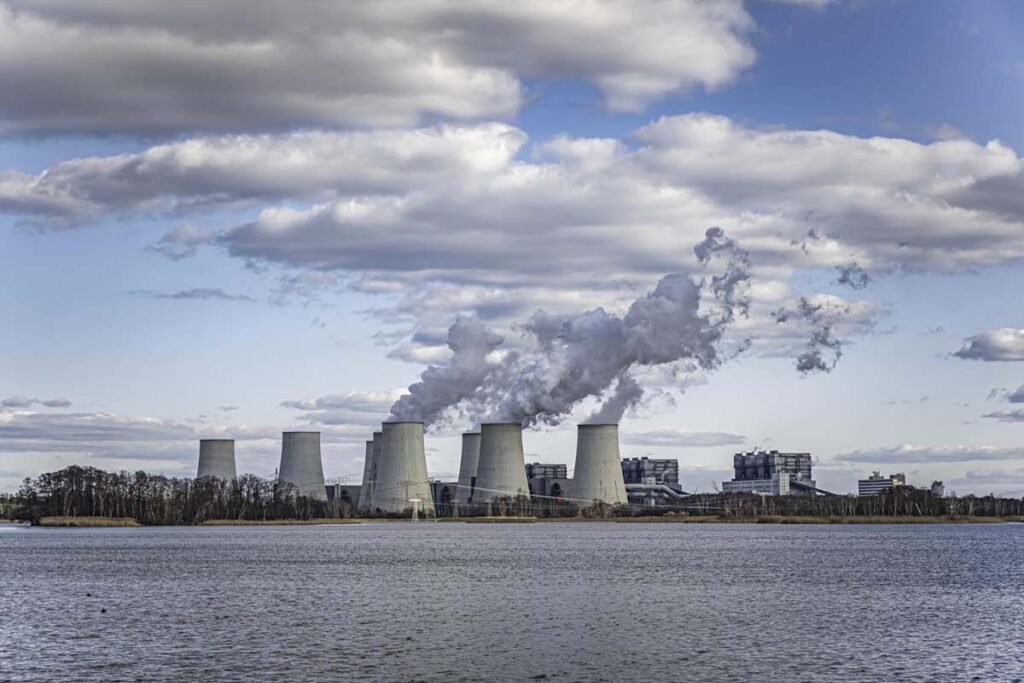
Natural gas-fired electricity generation remains a multi-billion-dollar market in the UAE, acting as the primary source of baseload power. Major utilities—such as the Abu Dhabi National Energy Company (TAQA), the Dubai Electricity and Water Authority (DEWA), the Emirates Water and Electricity Company (EWEC), and the Sharjah Electricity, Water and Gas Authority (SEWA)—rely heavily on gas to maintain absolute grid stability.
Key factors driving the continuous reliance on natural gas include:
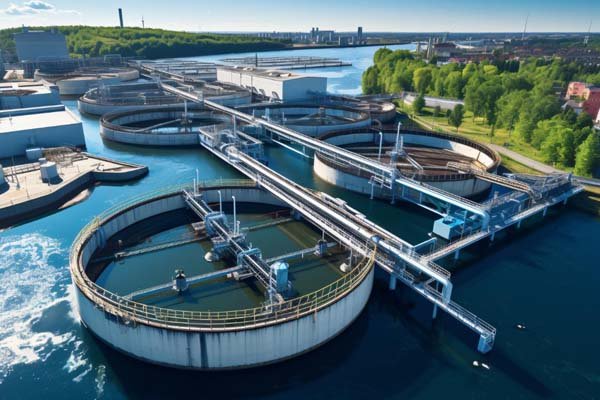
- Industrial & Urban Expansion: Surging power requirements from modern data hubs, manufacturing sectors, and municipal water desalination complexes demand an uninterrupted, high-capacity energy supply.
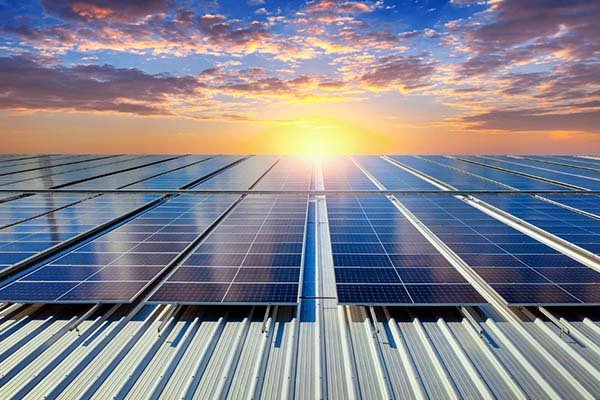
- Intermittent Backup: As solar and other renewable inputs expand, natural gas provides the necessary flexibility to rapidly ramp up or down, balancing load variations and protecting the grid against disruptions.
Technological Evolution: Efficiency and Digitalization
To align with national sustainability directives, the UAE’s natural gas power sector has undergone a massive technological evolution, moving away from legacy setups toward high-efficiency infrastructure:
- Combined Cycle Gas Turbines (CCGT): Modern plants leverage advanced CCGT systems, pushing operational efficiency rates past 60% and dramatically reducing fuel waste per megawatt-hour produced.
- AI and Plant Optimization: Digital tools, automated monitoring, and predictive maintenance are widely integrated into gas-fired stations to optimize combustion processes, minimize downtime, and lower overall operational footprints.
- Stringent Environmental Regulations: Regulatory frameworks—such as mandates targeting emissions from power generation facilities—compel operators to utilize best available technologies (BAT) for emission control, ensuring gas generation remains as clean as possible.
Bridging the Gap Toward Net-Zero
Far from being at odds with the country’s green ambitions, natural gas acts as a strategic transition fuel supporting the UAE Energy Strategy 2050. Even as nuclear energy (via the Barakah plant) and utility-scale solar projects scale up to constitute a larger share of the overall energy mix, efficient natural gas infrastructure ensures that the UAE can aggressively transition away from heavier liquid fuels while maintaining absolute energy security.
Furthermore, the expansion of local pipeline networks—such as major midstream initiatives led by ADNOC—ensures a reliable domestic supply of gas to power generation facilities across every emirate.
Looking Ahead
The future of natural gas-fired power generation in the UAE is defined by smart integration rather than standalone operations. Moving forward, the market is seeing a rise in hybrid power concepts and advanced carbon-management systems designed to capture and mitigate emissions.
By continuously upgrading to state-of-the-art turbines and tightly coupling gas efficiency with renewable rollouts, the UAE is proving that traditional fossil fuels can be managed with exceptional efficiency—powering current economic growth while laying a secure foundation for a sustainable tomorrow.